
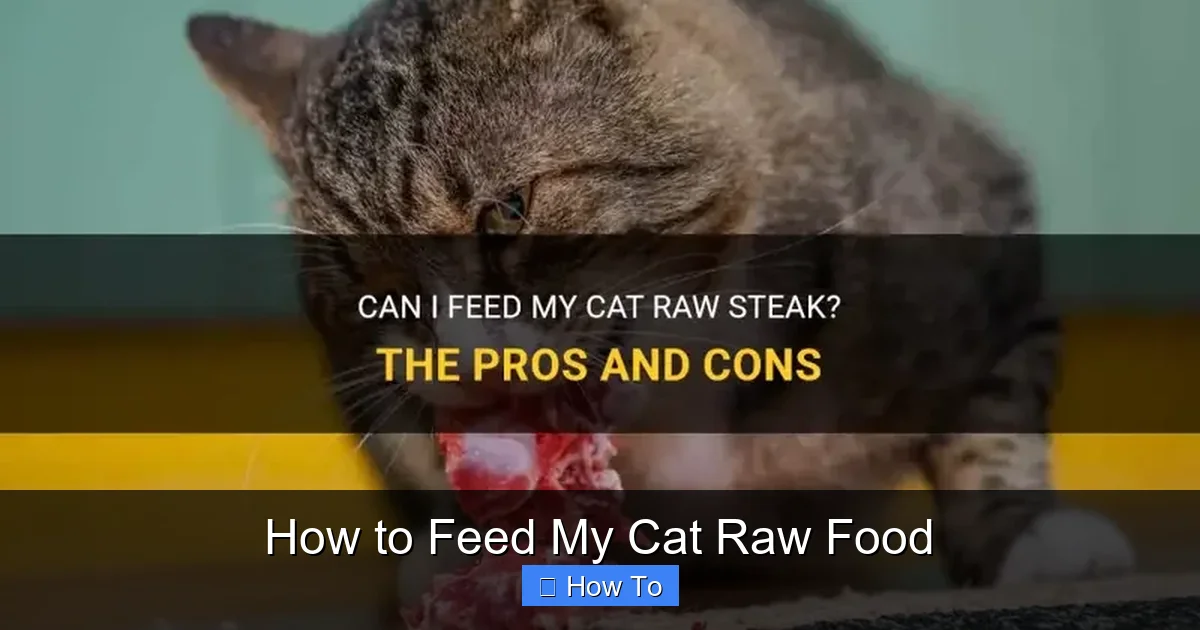
Switching your cat to a raw food diet can boost energy, coat health, and digestion—when done safely. This guide walks you through choosing ingredients, preparing meals, and avoiding common pitfalls in 2026.
Key Takeaways
- Raw diets mimic a cat’s natural eating habits: Cats are obligate carnivores, meaning they thrive on animal-based proteins and fats found in raw meat.
- Proper balance is critical: A complete raw diet includes muscle meat, organ meat, bones (or bone substitute), and essential supplements like taurine and omega-3s.
- Safety first: Always handle raw meat with care—use separate utensils, wash surfaces, and store food properly to prevent bacterial contamination.
- Start slow and monitor your cat: Transition gradually over 7–10 days and watch for changes in energy, stool, coat, and appetite.
- Consult your vet: Especially if your cat has health issues like kidney disease or a weakened immune system, professional guidance is essential.
- Pre-made vs. homemade: Commercial raw diets offer convenience and balanced nutrition, while homemade allows customization—but requires careful planning.
- Stay updated on 2026 standards: New regulations and nutritional research continue to shape best practices for feline raw feeding.
How to Feed My Cat Raw Food: A Complete 2026 Guide
If you’ve been wondering, “Should I feed my cat raw food?” you’re not alone. In 2026, more cat owners than ever are exploring raw diets as a way to support their pet’s natural biology. Cats are obligate carnivores—their bodies are built to digest and thrive on raw animal tissue. Unlike dogs, they can’t synthesize certain nutrients (like taurine) from plant sources, which makes a meat-based diet not just beneficial, but essential.
But raw feeding isn’t as simple as tossing a chicken leg in your cat’s bowl. Done incorrectly, it can lead to nutritional imbalances, bacterial infections, or even serious illness. That’s why this guide exists: to help you feed your cat raw food safely, effectively, and confidently in 2026.
In this comprehensive how-to, you’ll learn:
– Why raw food benefits cats
– How to choose the right ingredients
– Step-by-step meal preparation
– Safe handling and storage
– Transitioning your cat smoothly
– Troubleshooting common issues
– And how to stay up-to-date with the latest in feline nutrition
Whether you’re feeding a kitten, an adult, or a senior cat, this guide will give you the tools to make informed decisions. Let’s dive in.
Why Feed Your Cat Raw Food?
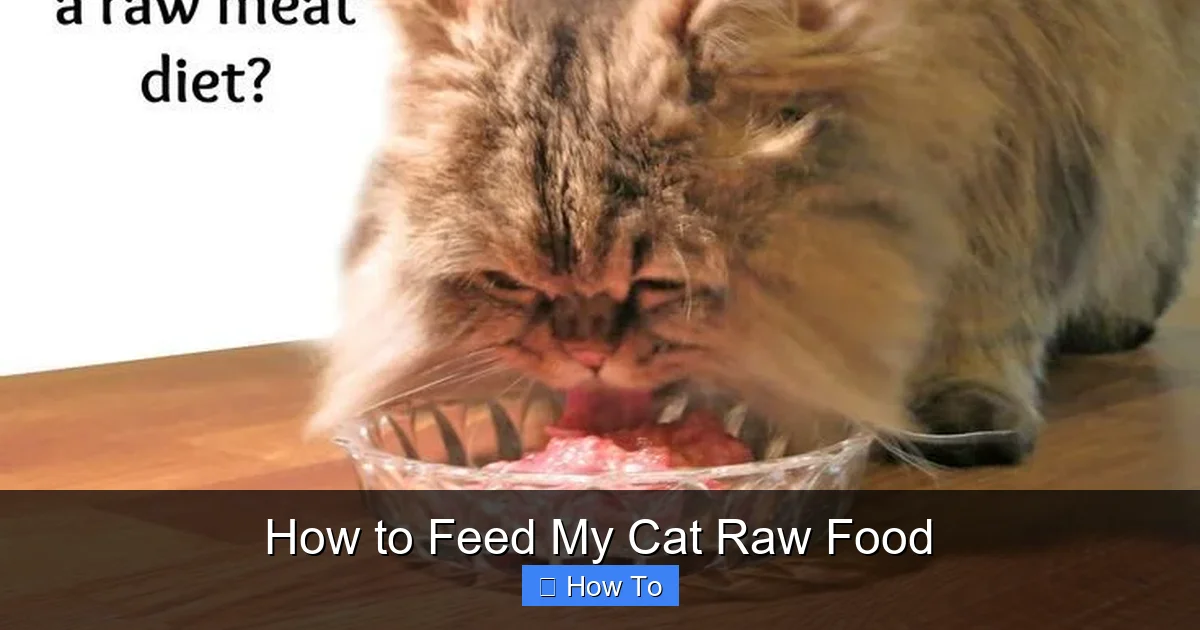
Visual guide about How to Feed My Cat Raw Food
Image source: i.pinimg.com
Before we get into the “how,” let’s talk about the “why.” Raw feeding has gained popularity for good reason. In the wild, cats eat whole prey—mice, birds, insects—which provides a balanced mix of meat, organs, and bones. This natural diet supports:
– Shinier coats and healthier skin
– Better digestion and smaller stools
– Increased energy and lean muscle mass
– Reduced risk of dental disease (chewing raw bones helps clean teeth)
– Improved urinary health
In 2026, veterinary nutritionists continue to recognize the benefits of species-appropriate diets. While commercial kibble often contains fillers, carbohydrates, and preservatives, raw food offers bioavailable nutrients in their most natural form.
That said, raw feeding isn’t a magic cure. It requires knowledge, effort, and consistency. But for many cat parents, the results—happier, healthier cats—are worth it.
Understanding the Raw Food Diet for Cats
A proper raw diet for cats isn’t just raw meat. It’s a carefully balanced meal that mimics what a cat would eat in the wild. The ideal raw meal includes:
- Muscle meat (80–85%): Chicken, turkey, rabbit, beef, or lamb. This provides protein and fat.
- Edible bone (10–15%): Raw chicken necks, wings, or turkey necks. These supply calcium and phosphorus.
- Organ meat (5–10%): Liver (like chicken or beef liver) and other secreting organs (like kidney or spleen). These are rich in vitamins and minerals.
- Supplements (as needed): Taurine, omega-3 fatty acids (from fish oil), vitamin E, and sometimes iodine or vitamin D.
Some cat owners use bone substitutes like eggshell powder or calcium carbonate if they’re feeding boneless meat. But whole prey or ground bone is preferred when possible.
Commercial vs. Homemade Raw Diets
You have two main options: buy pre-made raw food or make it yourself.
Commercial raw diets are convenient and often formulated by veterinary nutritionists. Brands like Stella & Chewy’s, Primal, and Rad Cat offer frozen or freeze-dried options that are balanced and tested for safety. In 2026, many brands now include probiotics, digestive enzymes, and superfoods like pumpkin or blueberries.
Homemade raw diets give you full control over ingredients and cost. But they require careful planning to ensure nutritional completeness. If you go this route, follow a vet-approved recipe or use a recipe from a certified feline nutritionist.
Step 1: Consult Your Veterinarian
Before making any dietary change, talk to your vet—especially in 2026, when new research and regulations are shaping best practices.
Your vet can:
– Assess your cat’s health (bloodwork, weight, organ function)
– Help determine if raw feeding is safe (e.g., cats with pancreatitis or immune disorders may need caution)
– Recommend supplements or adjustments
– Monitor progress over time
Some vets are skeptical of raw diets due to safety concerns. If yours is, ask for a referral to a veterinary nutritionist or look for a vet experienced in holistic or integrative medicine.
Step 2: Choose the Right Ingredients
Quality matters. In 2026, sourcing high-quality, human-grade ingredients is easier than ever—but you still need to be smart.
Where to Buy Raw Ingredients
Look for:
– Human-grade meat from reputable butchers or grocery stores
– Organic or pasture-raised options when possible
– Frozen meat (freezing kills some parasites)
– Local farms or co-ops for fresh, traceable meat
Avoid meat labeled “pet grade” or “feed grade”—these may contain parts not safe for consumption and aren’t held to the same safety standards.
Best Meats for Cats
Not all meats are created equal. Here are top choices:
- Chicken: Affordable, widely available, and well-tolerated. Use thighs, breasts, necks, and wings.
- Turkey: Lean and rich in protein. Great for variety.
- Rabbit: A whole prey option—many cats love it. Often sold whole or ground.
- Duck: Higher in fat, good for underweight cats.
- Beef: Use lean cuts like sirloin. Avoid fatty cuts unless your cat needs weight gain.
- Lamb: Another good red meat option.
Avoid pork (higher risk of parasites) and fish as a staple (can cause thiamine deficiency or mercury exposure). Small amounts of sardines or salmon (with bones) are fine occasionally.
Organs and Bones
Liver is essential—aim for 5% of the total diet. Too much can cause vitamin A toxicity, so don’t overdo it.
Other organs like kidney, spleen, or heart (which is muscle, not an organ) can be included in small amounts.
Bones should be raw and soft—never cooked, as they can splinter. Chicken necks and wings are ideal.
Step 3: Prepare Balanced Meals
Now it’s time to build a meal. Let’s walk through a simple recipe.
Sample Homemade Raw Recipe (for one 10-lb cat)
- 4 oz (113g) chicken thigh (with skin)
- 1 oz (28g) chicken neck (raw, ground or whole)
- 0.5 oz (14g) chicken liver
- 0.25 oz (7g) chicken heart (optional, adds taurine)
- 1/4 tsp fish oil (for omega-3s)
- 1/8 tsp eggshell powder (if not using bone)
- 100 mg taurine supplement (if not using heart or balanced recipe)
This makes about 6 oz of food—enough for one or two meals, depending on your cat’s needs.
Grinding vs. Whole Prey Feeding
You can feed raw food in two ways:
Ground: Use a meat grinder to combine all ingredients. This ensures even distribution of organs and bones. Great for cats who won’t chew whole pieces.
Whole prey or chunks: Offer whole chicken wings, necks, or small prey like quail. Encourages natural chewing and dental health. Best for cats who eat slowly and chew well.
Most owners use a mix—ground for daily meals, whole pieces as enrichment.
Supplements: What You Need
Even with a balanced recipe, supplements help fill gaps.
Essential supplements:
– Taurine: 250–500 mg per pound of food. Critical for heart and eye health.
– Omega-3 fatty acids: Fish oil (EPA/DHA) supports skin, coat, and joints.
– Vitamin E: 10–20 IU per pound of food. Protects against fat oxidation.
– Calcium: If using boneless meat, add 800–1000 mg calcium per pound (use eggshell powder or calcium carbonate).
Avoid multivitamins unless recommended by a vet—too much of certain vitamins (like A or D) can be toxic.
Step 4: Handle and Store Raw Food Safely
Raw meat carries bacteria like Salmonella and E. coli. But with proper handling, you can minimize risk for both you and your cat.
Safe Handling Tips
- Wash your hands before and after handling raw meat.
- Use separate cutting boards, knives, and bowls for pet food.
- Clean all surfaces with hot, soapy water or a pet-safe disinfectant.
- Never let raw meat sit at room temperature for more than 2 hours.
- Thaw frozen meat in the fridge, not on the counter.
Storage Guidelines
- Freezing: Store raw meals in portion-sized containers or silicone molds. Label with date and ingredients. Use within 6 months.
- Refrigeration: Thawed food lasts 2–3 days in the fridge.
- Feeding: Serve at room temperature or slightly warmed (not hot). Cats prefer food around body temperature.
In 2026, many owners use vacuum sealers or reusable silicone bags to extend freshness and reduce waste.
Step 5: Transition Your Cat Gradually
Switching to raw food too fast can upset your cat’s stomach. Follow this 7–10 day transition plan:
Days 1–3: Mix 25% raw with 75% current food
Introduce small amounts of raw food mixed with kibble or canned food. Watch for interest and digestion.
Days 4–6: 50% raw, 50% current
Increase the raw portion. Some cats may refuse at first—try warming the food or adding a sprinkle of freeze-dried liver powder.
Days 7–10: 75% raw, 25% current
Most cats adjust by now. Monitor stool quality—firmer, smaller stools are normal.
Day 11+: 100% raw
Congratulations! Your cat is on a raw diet. Continue to observe energy, coat, weight, and litter box habits.
Tips for Picky Eaters
- Try different meats (some cats prefer duck over chicken)
- Offer food at room temperature
- Hand-feed small pieces to build trust
- Use a food topper like bone broth or freeze-dried meat dust
- Be patient—some cats take weeks to adjust
Step 6: Monitor Your Cat’s Health
A successful raw diet shows in your cat’s overall well-being.
What to Look For
- Coat: Softer, shinier fur
- Energy: More playful, alert behavior
- Stool: Smaller, less smelly, firmer
- Teeth: Less tartar buildup (if chewing bones)
- Weight: Stable or improved body condition
When to Worry
Contact your vet if you notice:
– Vomiting or diarrhea lasting more than 24 hours
– Lethargy or loss of appetite
– Weight loss
– Bad breath or dental issues
– Changes in urination (could signal urinary issues)
These may indicate an imbalance, intolerance, or underlying health problem.
Troubleshooting Common Raw Feeding Issues
Even experienced raw feeders run into challenges. Here’s how to handle them.
Problem: My cat won’t eat raw food
Solution: Try different meats, textures (ground vs. chunks), or temperatures. Add a topper like tuna water or bone broth. Be patient—some cats need time.
Problem: My cat has diarrhea
Solution: This is common during transition. Slow down the switch. Ensure the diet is balanced—too much liver or fat can cause loose stools. Add a probiotic.
Problem: I’m worried about bacteria
Solution: Practice safe handling. Freeze meat for at least 48 hours before feeding (kills some parasites). Use high-quality, human-grade ingredients. Healthy cats have strong immune systems and can handle normal bacteria levels.
Problem: My cat is gaining/losing weight
Solution: Adjust portion sizes. Active cats need more food; less active ones need less. Weigh your cat monthly and consult your vet for ideal body condition.
Problem: I don’t have time to make meals
Solution: Batch-prep meals on weekends. Use commercial raw food for convenience. Many brands now offer subscription delivery in 2026.
Staying Updated in 2026
Raw feeding is evolving. In 2026, new research emphasizes:
– The importance of gut health and probiotics
– The role of hydration (raw food has higher moisture than kibble)
– Sustainable sourcing and eco-friendly packaging
– Personalized nutrition based on genetics and microbiome testing
Follow reputable sources like the American Association of Feline Practitioners (AAFP), veterinary nutritionists, and raw feeding communities. Attend webinars or workshops to stay informed.
Conclusion
Feeding your cat raw food in 2026 is a rewarding choice—when done right. It aligns with your cat’s natural biology, supports long-term health, and can deepen your bond through mindful care.
Remember: balance, safety, and consistency are key. Start with high-quality ingredients, follow a vet-approved recipe, handle food safely, and transition slowly. Monitor your cat closely and adjust as needed.
Whether you choose commercial raw food or homemade meals, you’re giving your feline friend a diet that honors their carnivorous nature. With the knowledge from this guide, you’re well-equipped to feed your cat raw food confidently and compassionately.
Your cat’s purrs, shiny coat, and bright eyes will thank you.