
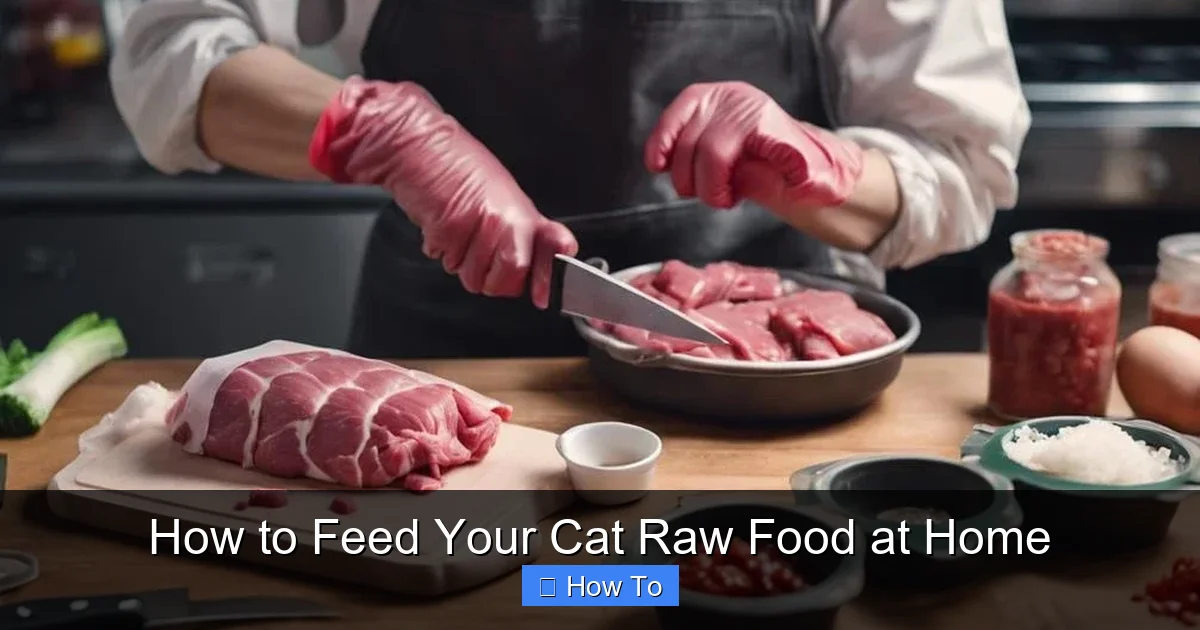
Switching your cat to a raw food diet can boost energy, improve coat health, and support digestion—when done safely. This guide walks you through everything you need to know, from choosing ingredients to storing meals and avoiding common mistakes.
Key Takeaways
- Raw feeding supports natural feline biology: Cats are obligate carnivores, meaning they thrive on meat-based diets that mimic what they’d eat in the wild.
- Balance is critical: A complete raw diet includes muscle meat, organ meat, bones, and essential supplements like taurine and omega-3s.
- Safety first: Proper handling, storage, and hygiene prevent bacterial contamination for both you and your cat.
- Start slow and monitor closely: Transition gradually over 7–10 days and watch for changes in stool, energy, or appetite.
- Consult your vet: Especially if your cat has health conditions—raw feeding isn’t right for every pet.
- Pre-made vs. homemade: Commercial raw diets offer convenience and guaranteed nutrition, while DIY allows customization but requires careful planning.
- Storage matters: Freeze raw meals in portion-sized containers and thaw safely in the fridge to maintain freshness and safety.
How to Feed Your Cat Raw Food at Home
If you’re considering switching your cat to a raw food diet in 2026, you’re not alone. More pet owners are turning to raw feeding as a way to support their cat’s natural biology, improve coat shine, reduce allergies, and even manage weight. But raw feeding isn’t as simple as tossing your cat a piece of chicken. It requires knowledge, planning, and attention to detail to ensure your furry friend gets all the nutrients they need—without risking illness.
In this comprehensive guide, you’ll learn exactly how to feed your cat raw food at home safely and effectively. We’ll cover everything from understanding why raw diets work, to choosing the right ingredients, preparing balanced meals, storing food properly, and troubleshooting common issues. Whether you’re a first-time raw feeder or looking to refine your approach, this step-by-step guide will help you make informed decisions for your cat’s long-term health.
Why Feed Your Cat Raw Food?
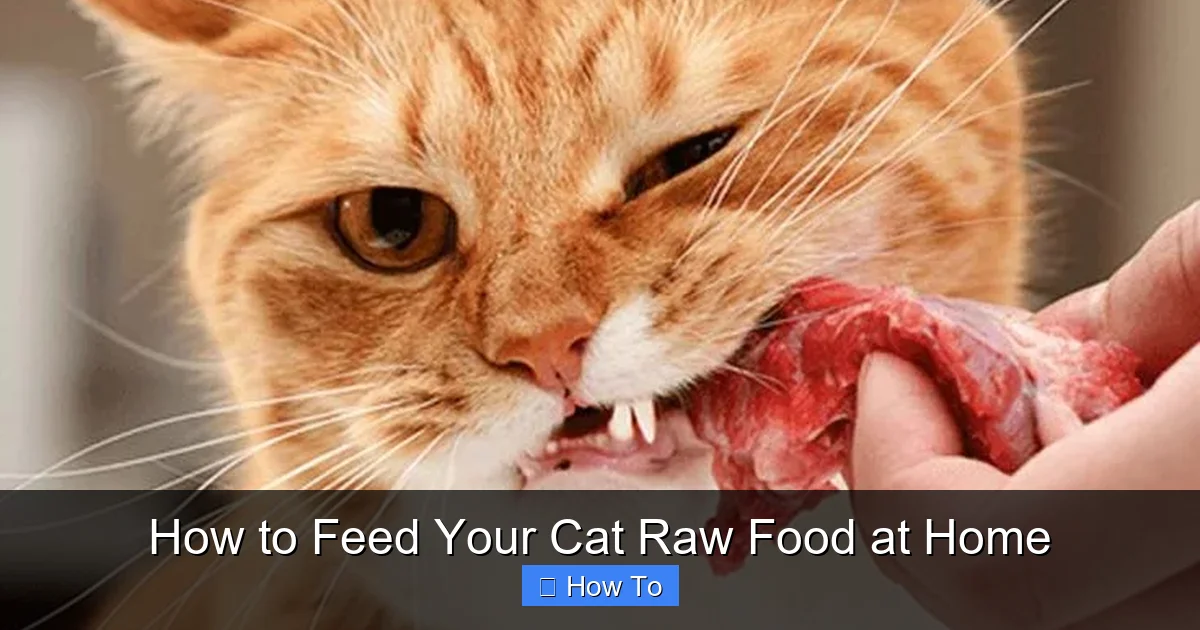
Visual guide about How to Feed Your Cat Raw Food at Home
Image source: i.pinimg.com
Cats are obligate carnivores. That means their bodies are designed to thrive on a diet made almost entirely of animal protein. In the wild, cats hunt small prey like mice and birds—eating muscle meat, organs, and bones. This natural diet provides high-quality protein, essential amino acids like taurine, healthy fats, and moisture—all things that support strong muscles, sharp vision, healthy skin, and optimal digestion.
Commercial dry kibble, while convenient, often contains fillers like grains, carbohydrates, and preservatives that don’t align with a cat’s biological needs. Many dry foods are also low in moisture, which can contribute to urinary tract issues over time.
Raw feeding aims to mimic a cat’s ancestral diet. When done correctly, it can lead to:
– Shinier coat and healthier skin
– Better digestion and smaller, less smelly stools
– Increased energy and lean muscle mass
– Reduced risk of obesity and diabetes
– Improved dental health (chewing raw meat and bones helps clean teeth)
Of course, raw feeding isn’t a miracle cure—and it’s not right for every cat. But for many pet parents, the benefits outweigh the challenges when proper precautions are taken.
Is Raw Feeding Right for Your Cat?
Before you start, ask yourself: Is my cat a good candidate for raw food?
Raw diets work best for healthy adult cats with no underlying medical conditions. However, there are some situations where raw feeding may not be ideal:
– Cats with compromised immune systems (e.g., FIV, FeLV, or undergoing chemotherapy)
– Kittens under 12 weeks (they need precise nutrient ratios)
– Cats with severe kidney disease or pancreatitis (consult your vet first)
– Multi-pet households where cross-contamination is a concern
If your cat has health issues, talk to your veterinarian or a veterinary nutritionist before making the switch. They can help determine if raw feeding is safe and appropriate.
Also consider your lifestyle. Raw feeding requires time, planning, and commitment. If you travel frequently or have a busy schedule, you may prefer a high-quality commercial raw diet over homemade meals.
Types of Raw Diets: BARF vs. Prey Model
There are two main approaches to raw feeding: the BARF model and the Prey Model.
BARF (Biologically Appropriate Raw Food)
The BARF diet includes raw meat, bones, organs, and added supplements like vegetables, fruits, eggs, and oils. It’s more flexible and allows for customization.
Pros:
– Can include nutrient-rich additions like pumpkin (for fiber) or blueberries (for antioxidants)
– Easier to balance with supplements
– Good for cats with specific dietary needs
Cons:
– More complex to prepare
– Risk of over-supplementing or imbalance if not done correctly
Example BARF meal:
– 80% muscle meat (chicken thigh, turkey breast)
– 10% raw edible bone (chicken necks or wings)
– 5% liver (chicken or beef)
– 5% other secreting organs (kidney, spleen)
– Supplements: taurine, fish oil, vitamin E
Prey Model Raw (PMR)
The Prey Model mimics what a cat would eat in the wild—whole prey or parts of prey. It focuses on simplicity: meat, bone, and organs in specific ratios.
Standard PMR ratios:
– 80% muscle meat
– 10% raw edible bone
– 5% liver
– 5% other secreting organs
No vegetables, grains, or supplements are typically added, as the goal is to replicate nature.
Pros:
– Simple and intuitive
– Closely matches a cat’s natural diet
– Less risk of over-supplementation
Cons:
– Requires careful sourcing of organs and bones
– May need occasional supplementation (e.g., taurine if using muscle meat only)
Most raw feeders start with PMR because it’s straightforward and effective. You can always adjust later based on your cat’s needs.
Choosing the Right Ingredients
The quality of your ingredients directly impacts your cat’s health. Here’s what to look for:
Muscle Meat
This makes up the bulk of the diet. Choose human-grade, fresh or frozen meats from reputable sources. Popular options include:
– Chicken (thighs, breasts, legs)
– Turkey (ground or whole parts)
– Beef (heart, lean cuts)
– Lamb
– Rabbit
– Duck
Avoid processed meats like deli slices or sausages—they contain salt, preservatives, and additives.
Raw Edible Bones
Bones provide calcium and help clean teeth. Only use soft, raw bones that can be chewed and digested. Never feed cooked bones—they can splinter and cause injury.
Safe options:
– Chicken necks (backs or whole)
– Chicken wings
– Turkey necks
– Quail
Avoid:
– Large beef or pork bones (too hard)
– Cooked bones of any kind
If your cat isn’t used to bones, start with finely ground bone or use a bone meal supplement.
Organ Meat
Organs are nutrient-dense and essential. There are two types:
– **Liver (5% of diet):** Chicken, beef, or lamb liver. Rich in vitamin A and copper.
– **Other secreting organs (5%):** Kidney, spleen, pancreas, or brain. Provide unique nutrients like B vitamins and CoQ10.
Rotate organ sources to ensure variety. For example, use chicken liver one week and beef kidney the next.
Supplements
Even with a balanced raw diet, some supplements may be needed:
– **Taurine:** Essential for heart and eye health. Add 250–500 mg per pound of food if not using heart (which is naturally high in taurine).
– **Fish oil:** For omega-3 fatty acids (EPA/DHA). Use a high-quality, mercury-free fish oil. Dosage: ~200–300 mg EPA+DHA per 10 lbs of body weight daily.
– **Vitamin E:** Helps prevent fat oxidation. Add 1–2 IU per pound of food if using fish oil.
– **Iodine:** If not using seafood, add a tiny amount of iodized salt or kelp powder (consult a vet for dosage).
Avoid over-supplementing. Too much vitamin A or D can be toxic.
How to Prepare Raw Cat Food at Home
Now that you know the basics, let’s walk through the process of making raw meals.
Step 1: Plan Your Recipe
Start with a simple PMR recipe. For a 10-pound cat, aim for about 2–3 ounces of food per day, split into two meals.
Sample daily recipe (approx. 2.5 oz total):
– 2 oz chicken thigh (muscle meat)
– 0.25 oz chicken neck (raw edible bone)
– 0.125 oz chicken liver (5%)
– 0.125 oz beef kidney (5%)
– 250 mg taurine powder
– 100 mg fish oil
– 1 IU vitamin E
Adjust portions based on your cat’s weight, age, and activity level.
Step 2: Gather Your Tools
You’ll need:
– Sharp knife and cutting board
– Food processor or meat grinder (optional, for grinding bones)
– Kitchen scale (essential for accuracy)
– Mixing bowl
– Ice cube trays or silicone molds for portioning
– Freezer-safe containers or bags
Sanitize all tools before and after use.
Step 3: Prepare the Ingredients
1. Thaw frozen meat in the fridge (never at room temperature).
2. Rinse meat under cold water and pat dry.
3. Remove excess fat or skin if desired (some cats prefer leaner meat).
4. Chop muscle meat into small pieces.
5. If using whole bones, grind them in a meat grinder or food processor.
6. Weigh each component to ensure correct ratios.
Tip: Buy pre-ground raw diets or bone-in meat to save time.
Step 4: Mix and Portion
Combine all ingredients in a bowl. Mix thoroughly to distribute organs and supplements evenly.
Portion into daily or meal-sized amounts using ice cube trays or silicone molds. Label each portion with the date and ingredients.
Step 5: Store Safely
– Freeze portions immediately. Raw food can spoil quickly.
– Store in the freezer for up to 3 months.
– Thaw in the fridge 12–24 hours before serving.
– Never refreeze thawed food.
Use airtight containers to prevent freezer burn and cross-contamination.
How to Transition Your Cat to Raw Food
Switching too fast can upset your cat’s stomach. Follow a gradual transition over 7–10 days.
Days 1–3: Mix 25% raw with 75% current food
Start by replacing a small portion of your cat’s usual meal with raw food. For example, if you feed 1/2 cup kibble, mix in 1/8 cup raw and reduce kibble to 3/8 cup.
Watch for signs of acceptance: sniffing, licking, or eating the raw portion.
Days 4–6: Increase to 50% raw
If your cat is eating well, increase the raw portion to half the meal. Continue monitoring stool quality and appetite.
Days 7–10: 75% to 100% raw
Gradually increase until your cat is eating only raw food. Some cats adapt quickly; others may take longer.
Tip: Warm the raw food slightly (to room temperature or slightly warmer) to enhance aroma and appeal.
Feeding Tips and Best Practices
Serve at Room Temperature
Cats prefer food that’s close to body temperature. Cold food may be less appealing and harder to digest.
Use Clean Bowls
Wash food and water bowls daily with hot, soapy water. Bacteria can grow quickly, especially with raw food.
Monitor Portion Sizes
Overfeeding can lead to obesity. Underfeeding can cause malnutrition. Adjust portions based on your cat’s weight, age, and activity level.
General guideline:
– Adult cat (8–10 lbs): 2–3 oz per day
– Kitten: 5–10% of body weight daily
– Senior or less active cat: Slightly less
Weigh your cat monthly and adjust as needed.
Rotate Proteins
Feed different meats weekly to provide variety and reduce the risk of sensitivities. For example:
– Week 1: Chicken
– Week 2: Turkey
– Week 3: Rabbit
– Week 4: Beef
Hydration Matters
Raw food contains about 60–70% moisture—much higher than dry kibble. This helps support kidney and urinary health. Still, always provide fresh water.
Storing and Handling Raw Food Safely
Raw meat can carry bacteria like Salmonella or E. coli. Proper handling protects both your cat and your household.
Safe Handling Tips
– Wash hands before and after handling raw food.
– Use separate cutting boards and utensils for raw meat.
– Clean surfaces with hot, soapy water or a pet-safe disinfectant.
– Don’t let raw food sit at room temperature for more than 2 hours.
– Keep raw food away from other pets and children.
Freezing and Thawing
Freezing doesn’t kill all bacteria, but it slows growth. Always thaw in the fridge—never on the counter.
If you’re concerned about pathogens, consider using high-pressure processed (HPP) raw food, which is commercially treated to reduce bacteria.
Troubleshooting Common Issues
My cat won’t eat raw food.
Try these tips:
– Warm the food slightly.
– Add a small amount of bone broth or tuna juice (low-sodium).
– Hand-feed or use a spoon to encourage interest.
– Mix with a favorite treat or wet food initially.
Some cats take weeks to adjust. Be patient.
Diarrhea or vomiting
This is common during transition. Causes may include:
– Too-fast switch
– High-fat content
– Sensitivity to a new protein
Solutions:
– Slow the transition.
– Reduce fat (e.g., use leaner meat).
– Try a novel protein like rabbit or duck.
– Add a probiotic designed for cats.
If symptoms last more than 2–3 days, consult your vet.
Constipation
Raw diets are usually high in moisture, but some cats may still get constipated—especially if they’re not drinking enough water.
Solutions:
– Add a teaspoon of pureed pumpkin (not pie filling).
– Increase hydration with water fountains or broth.
– Ensure adequate bone content (for natural laxative effect).
Strong-smelling stools
This is normal with raw feeding. Raw diets are more digestible, so stools are smaller and less smelly than with kibble. However, if stools are extremely foul or bloody, see your vet.
My cat is gaining or losing weight
Adjust portion sizes. Weigh your cat monthly and track changes. Active cats may need more food; sedentary cats need less.
Commercial Raw Food: A Convenient Alternative
If making raw food at home feels overwhelming, commercial raw diets are a great option. Look for brands that:
– Use human-grade ingredients
– Are complete and balanced (AAFCO-compliant)
– Are frozen or freeze-dried
– Have clear labeling (ingredients, feeding guidelines)
Popular brands in 2026 include:
– Stella & Chewy’s
– Primal Pet Foods
– Northwest Naturals
– Rad Cat
These products are convenient, safe, and nutritionally balanced—perfect for busy pet parents.
Final Thoughts: Is Raw Feeding Worth It?
Feeding your cat raw food at home can be one of the best decisions you make for their health—when done correctly. It aligns with their natural biology, supports digestion, and can lead to a happier, more vibrant pet.
But it’s not a one-size-fits-all solution. It requires research, commitment, and attention to safety. Always consult your vet, especially if your cat has health issues.
Start slow, stay informed, and listen to your cat. With the right approach, raw feeding can be a rewarding journey for both of you.