
Diabetes in dogs is a growing health concern, affecting an estimated 1 in 300 dogs in the United States, according to veterinary studies. Just like in humans, managing canine diabetes requires a comprehensive approach—regular insulin therapy, consistent exercise, and most critically, a carefully controlled diet. Among the many dietary options available, canned dog food has emerged as a popular and effective choice for diabetic dogs due to its high moisture content, palatability, and ease of digestion. However, not all canned foods are created equal, and selecting the right one can mean the difference between stable blood glucose levels and dangerous fluctuations.
This guide is designed to empower pet owners with the knowledge and tools needed to make informed decisions about their diabetic dog’s nutrition. Whether you’re newly managing your dog’s diagnosis or looking to optimize an existing feeding plan, this comprehensive resource will walk you through everything you need to know. You’ll learn how to evaluate ingredients, understand nutritional profiles, avoid common pitfalls, and choose a product that supports long-term health and well-being. With so many brands and formulations on the market—ranging from budget-friendly options to premium veterinary diets—it’s easy to feel overwhelmed. Our goal is to cut through the noise and deliver clarity, helping you find the best canned dog food tailored specifically to your dog’s diabetic needs.
The market for diabetic-friendly pet food has evolved significantly over the past decade. Major brands like Hill’s Science Diet, Royal Canin, and Purina Pro Plan now offer specialized formulas, while boutique and natural pet food companies have introduced grain-free, low-glycemic, and high-protein alternatives. Simultaneously, veterinary nutritionists have refined their understanding of what constitutes an ideal diet for insulin-dependent dogs—emphasizing low carbohydrate content, high fiber, moderate protein, and minimal simple sugars. As a result, today’s pet owners have more choices than ever before. But with greater variety comes greater responsibility. This guide will equip you to navigate the landscape confidently, ensuring your dog receives optimal nutrition without compromising taste or convenience.

What to Look for When Buying Buying Guide
1. Low Carbohydrate Content
Carbohydrates are the primary macronutrient that affects blood glucose levels in diabetic dogs. When digested, carbs break down into glucose, causing spikes in blood sugar that can undermine insulin therapy and lead to complications like hyperglycemia or ketoacidosis. Therefore, the most critical factor when selecting canned dog food for a diabetic dog is low carbohydrate content. Ideally, the food should contain less than 20% carbohydrates on a dry matter basis (DMB). To calculate this, you’ll need to convert the guaranteed analysis from an “as-fed” basis (which includes moisture) to DMB. For example, if a can lists 8% carbohydrates and 78% moisture, the dry matter calculation would be: (8 / (100 – 78)) × 100 = ~36% carbs—far too high for a diabetic dog. Look for foods where the primary ingredients are animal-based proteins and vegetables low in starch, such as green beans, pumpkin, or broccoli. Avoid products listing corn, wheat, rice, or potatoes as top ingredients, as these are high-glycemic and can destabilize glucose control.
2. High-Quality Protein Sources
Protein plays a vital role in maintaining muscle mass, supporting metabolic function, and promoting satiety in diabetic dogs. Unlike carbohydrates, protein has a minimal impact on blood glucose when consumed in appropriate amounts. However, not all proteins are equal. The best canned foods for diabetic dogs feature named, whole-meat sources as the first ingredient—such as “chicken,” “turkey,” or “beef”—rather than vague terms like “meat meal” or “animal by-products.” These high-quality proteins are more digestible and provide a complete amino acid profile. Additionally, look for moderate protein levels—typically between 25% and 35% on a dry matter basis. Excessively high protein can strain the kidneys in dogs with pre-existing renal issues, which are not uncommon in older diabetic dogs. Conversely, too little protein may lead to muscle wasting. A balanced approach ensures your dog maintains strength and energy without overloading their system.
3. Fiber Content and Type
Dietary fiber is a cornerstone of diabetic dog nutrition. Soluble fiber slows the absorption of glucose, helping to prevent post-meal blood sugar spikes, while insoluble fiber supports digestive health and regular bowel movements. The ideal canned dog food for diabetic dogs should contain a blend of both types, with a total fiber content of 5–10% on a dry matter basis. Look for sources like beet pulp, psyllium husk, flaxseed, or pumpkin, which are gentle on the digestive tract and effective at moderating glucose response. Avoid foods with excessive fillers like soy hulls or cellulose, which offer little nutritional value and may cause gastrointestinal upset. It’s also important to note that fiber should complement, not replace, high-quality protein and healthy fats. A well-formulated diabetic diet uses fiber strategically to enhance glycemic control without compromising palatability or nutrient density.
4. Moisture Content and Hydration Benefits
Canned dog food typically contains 70–80% moisture, making it an excellent choice for promoting hydration—especially important for diabetic dogs, who often experience increased thirst and urination due to high blood sugar levels. Chronic dehydration can exacerbate kidney strain and complicate diabetes management. The high water content in wet food also helps dogs feel fuller with fewer calories, which can aid in weight management—a key factor in controlling diabetes. Obesity is a significant risk factor for insulin resistance, so maintaining a healthy body condition is essential. When comparing canned foods, prioritize those with higher moisture content and avoid products with added water or broth that may dilute nutrient concentration. Additionally, the soft texture of wet food can be beneficial for senior dogs or those with dental issues, ensuring they continue to eat consistently without discomfort.
5. Absence of Artificial Additives and Fillers
Artificial preservatives, colors, flavors, and fillers offer no nutritional benefit and may pose health risks, particularly for dogs with chronic conditions like diabetes. Ingredients such as BHA, BHT, ethoxyquin, and propylene glycol have been linked to allergic reactions, digestive upset, and even long-term toxicity. Similarly, fillers like corn gluten meal, wheat middlings, or soybean meal add bulk without meaningful nutrition and can contribute to blood sugar instability. When evaluating labels, choose products that use natural preservatives like mixed tocopherols (vitamin E) or rosemary extract. The ingredient list should be short and recognizable—ideally under 15 items—with no vague or synthetic components. Transparency is key: reputable brands will clearly disclose sourcing and manufacturing practices. Avoid “mystery meats” or generic terms like “meat by-products,” which can include low-quality or inconsistent protein sources.
6. Glycemic Index and Ingredient Impact
While the glycemic index (GI) is more commonly discussed in human nutrition, the concept is equally relevant for diabetic dogs. Foods with a low GI release glucose slowly and steadily, preventing sharp insulin demands. In contrast, high-GI ingredients like white rice, potatoes, or sweet potatoes can cause rapid glucose spikes. When selecting canned dog food, consider the overall glycemic load of the formula—not just individual ingredients. For example, a food containing chicken, green beans, and chickpeas may have a moderate GI due to the legumes, even if the meat is high-quality. Look for recipes that emphasize non-starchy vegetables and avoid grains entirely if possible. Some manufacturers now provide glycemic impact data or work with veterinary nutritionists to formulate low-GI diets. If such information isn’t available, rely on ingredient order and carbohydrate content as proxies. The goal is to mimic a biologically appropriate, low-glycemic diet that supports stable insulin needs.
7. Brand Reputation and Veterinary Endorsement
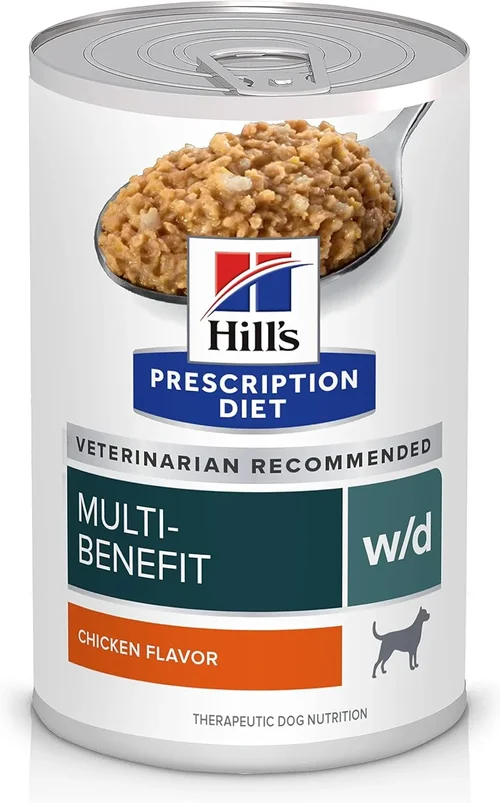
Not all pet food brands are created equal, and choosing a reputable manufacturer can significantly impact your dog’s health. Look for companies with a proven track record in veterinary nutrition, transparent sourcing, and rigorous quality control. Brands that collaborate with board-certified veterinary nutritionists or conduct feeding trials are more likely to produce scientifically sound products. Hill’s Science Diet, for example, developed its Prescription Diet w/d Canine formula with input from veterinary specialists and has been clinically tested for diabetic management. Similarly, Royal Canin’s Diabetic Canine formula is widely recommended by veterinarians. While boutique or natural brands may offer appealing marketing claims, they don’t always have the same level of scientific backing. Check for AAFCO (Association of American Feed Control Officials) statements on the label, which indicate the food meets nutritional standards for a specific life stage. Avoid brands with frequent recalls or negative consumer reviews related to ingredient quality or safety.
8. Palatability and Consistency
Even the most nutritionally perfect food is useless if your dog refuses to eat it. Diabetic dogs require consistent meal timing and intake to maintain stable blood glucose levels, so palatability is crucial. Canned food is generally more aromatic and flavorful than dry kibble, which can encourage reluctant eaters—especially senior dogs or those experiencing appetite changes due to illness. When selecting a brand, consider your dog’s preferences: some prefer pâté textures, while others enjoy chunks in gravy. It’s also important to choose a food with consistent formulation across batches. Sudden changes in taste, texture, or smell can signal ingredient variability, which may affect your dog’s willingness to eat. If possible, purchase small quantities or sample packs before committing to a large supply. Additionally, avoid foods with excessive salt or sugar, which can mask poor ingredient quality and pose health risks. A good diabetic canned food should be naturally appealing, requiring no artificial enhancers.
Different Types of Buying Guide
Common Buying Mistakes to Avoid
❌ Mistake: Ignoring Dry Matter Calculations
Why it’s bad: Many pet owners rely solely on the “guaranteed analysis” listed on the can, which reports nutrients on an “as-fed” basis—including moisture. This can be misleading, especially when comparing wet foods with different water content. A food with 10% carbs and 75% moisture may actually contain over 40% carbs on a dry matter basis, making it unsuitable for diabetic dogs.
What to do instead: Always convert nutritional values to dry matter basis using the formula: (Nutrient % / (100 – Moisture %)) × 100. This allows for accurate comparisons across products and ensures you’re not inadvertently choosing a high-carb food.
❌ Mistake: Choosing Based on Marketing Claims Alone
Why it’s bad: Terms like “natural,” “grain-free,” or “holistic” are not regulated and can be used loosely. A food labeled “grain-free” may still contain high-glycemic ingredients like peas, lentils, or tapioca, which can spike blood sugar.
What to do instead: Focus on the ingredient list and nutritional profile, not buzzwords. Look for specific, named protein sources and low carbohydrate content. When in doubt, consult your veterinarian or a veterinary nutritionist.
❌ Mistake: Switching Foods Too Frequently
Why it’s bad: Diabetic dogs require dietary consistency to maintain stable blood glucose levels. Frequent changes can disrupt insulin dosing, cause digestive upset, and make it difficult to assess what’s working.
What to do instead: Stick to one formula once you find a suitable option. If a change is necessary, transition gradually over 7–10 days, mixing increasing amounts of the new food with the old. Monitor glucose levels closely during the switch.
❌ Mistake: Overlooking Portion Control
Why it’s bad: Even the best diabetic food can cause weight gain or glucose spikes if overfed. Canned food is calorie-dense, and free-feeding can lead to obesity and insulin resistance.
What to do instead: Follow the feeding guidelines on the label as a starting point, then adjust based on your dog’s weight, activity level, and blood glucose readings. Use a kitchen scale for accuracy and divide daily portions into two consistent meals.
❌ Mistake: Neglecting Regular Veterinary Monitoring
Why it’s bad: Diet is only one component of diabetes management. Without regular blood glucose curves, fructosamine tests, and vet check-ups, you may miss signs of poor control or complications like cataracts or kidney disease.
What to do instead: Schedule routine veterinary visits every 3–6 months and keep a detailed log of meals, insulin doses, and glucose readings. Share this with your vet to fine-tune your dog’s care plan.
❌ Mistake: Assuming All Wet Food Is Equal
Why it’s bad: While canned food is generally better for hydration and palatability, not all formulations are appropriate for diabetic dogs. Some “gourmet” or “premium” brands use high-carb binders or sweeteners to enhance flavor.
What to do instead: Read labels carefully and prioritize nutritional adequacy over marketing. Choose foods specifically formulated for diabetic or weight management needs, or those with transparent, science-backed recipes.
❌ Mistake: Ignoring Your Dog’s Individual Needs
Why it’s bad: Every diabetic dog is unique. Age, breed, activity level, weight, and comorbidities (like pancreatitis or kidney disease) all influence dietary requirements. A one-size-fits-all approach can be ineffective or harmful.
What to do instead: Work with your veterinarian to create a personalized nutrition plan. Consider factors like kidney function, dental health, and food sensitivities when selecting a food. What works for one dog may not suit another.
Budget Guidelines: How Much Should You Spend?
Entry-Level ($1.20–$1.80 per 13 oz can):
At this price point, you’ll find basic canned dog foods from mainstream brands like Pedigree, Iams, or store brands. While some may be palatable and convenient, most contain high levels of carbohydrates, fillers, and by-products—making them unsuitable for diabetic dogs. However, a few budget-friendly options, such as Purina Pro Plan Savor Adult Wet Dog Food (Beef & Rice), offer moderate protein and lower carbs compared to typical economy brands. These can be viable if carefully evaluated, but they often lack the specialized formulation needed for optimal glucose control. Expect limited ingredient transparency and fewer quality assurances. This tier is best for temporary use or as a topper, not as a primary diet for diabetic dogs.
Mid-Range ($1.80–$2.80 per 13 oz can):
This is the sweet spot for most pet owners managing canine diabetes. Brands like Wellness CORE Grain-Free, Blue Buffalo Wilderness, and Nutro Ultra offer high-protein, low-carb formulas with recognizable ingredients and no artificial additives. Many include functional ingredients like pumpkin, flaxseed, or cranberries for added health benefits. While not always veterinary-grade, these foods are often formulated with input from nutritionists and meet AAFCO standards. They provide a good balance of affordability, quality, and diabetic suitability. Look for recipes with named meats, low starch content, and moderate fiber. This tier is ideal for owners seeking value without compromising on nutrition.
Premium ($2.80–$3.80 per 13 oz can):
Premium canned foods, such as Hill’s Science Diet Prescription Diet w/d, Royal Canin Veterinary Diet Diabetic, and Purina Pro Plan Veterinary Diets DM, are specifically designed for diabetic dogs. These products undergo rigorous testing, are often recommended by veterinarians, and feature precise nutrient profiles tailored to glucose management. They typically include high-quality proteins, controlled carbohydrates, and added fiber for satiety and glycemic control. While more expensive, the investment can pay off in improved health outcomes, reduced veterinary costs, and peace of mind. This tier is recommended for dogs with confirmed diabetes or those requiring strict dietary management.
Luxury ($3.80+ per 13 oz can):
At the top end of the spectrum, you’ll find boutique brands like The Honest Kitchen, Open Farm, and Ziwi Peak, which use human-grade, ethically sourced ingredients and minimal processing. These foods often feature novel proteins (like venison or lamb), superfoods (such as kale or blueberries), and novel carbohydrate sources (like chickpeas or lentils). While nutritionally dense and highly palatable, their high cost may not be sustainable for long-term use, especially for larger dogs. Additionally, some luxury brands still contain moderate carbs, so careful label reading is essential. This tier is best for owners prioritizing ingredient purity and willing to pay a premium for perceived quality, provided the food meets diabetic dietary requirements.
Expert Tips for Getting the Best Deal
– Buy in bulk during seasonal sales: Many pet retailers offer discounts during holidays like Black Friday, Memorial Day, or National Pet Day. Subscribe to newsletters from Chewy, Petco, or Amazon to receive alerts on promotions. Buying a 24-can case can reduce the per-unit cost by 15–25%.
– Use subscription services: Platforms like Chewy and Amazon Subscribe & Save offer recurring deliveries with discounts of up to 15%. This ensures you never run out and locks in a lower price. Just be sure to monitor your dog’s response and adjust as needed.
– Compare prices across retailers: Prices can vary significantly between stores. Use price comparison tools or apps to find the best deal. Local pet stores may also price-match online retailers.
– Look for manufacturer rebates or vet clinic discounts: Some premium brands offer rebates or coupons through their websites or veterinary partners. Ask your vet if they have samples or discount programs for prescription diets.
– Check return policies: Before committing to a large purchase, ensure the retailer accepts returns if your dog doesn’t tolerate the food. Most reputable sellers allow returns within 30 days, even for opened cans.
– Test with small quantities first: Purchase single cans or variety packs to assess palatability and digestive response before buying in bulk. This minimizes waste and ensures your dog will actually eat the food.
– Consider mixing wet and dry: Some diabetic dogs do well on a combination of wet and dry food. Using a low-carb kibble as a base and topping with canned food can reduce costs while maintaining hydration and flavor.
– Monitor your dog’s glucose response: The true test of a food’s effectiveness is how your dog’s blood glucose levels respond. Keep a log and share it with your vet to determine if the food is working or needs adjustment.
Frequently Asked Questions
Q: Can diabetic dogs eat canned food every day?
A: Yes, diabetic dogs can and often should eat canned food daily, provided it is nutritionally appropriate. Wet food supports hydration, is highly palatable, and can be easier to portion control. The key is choosing a formula with low carbohydrates, high-quality protein, and adequate fiber. Consistency in feeding times and amounts is more important than the food’s form.
Q: Is grain-free food always better for diabetic dogs?
A: Not necessarily. While grain-free diets eliminate common high-glycemic grains like wheat and corn, many grain-free formulas replace them with other starches such as peas, lentils, or potatoes—which can also raise blood sugar. The focus should be on overall carbohydrate content and glycemic impact, not just the absence of grains.
Q: How do I transition my diabetic dog to a new canned food?
A: Transition gradually over 7–10 days to avoid digestive upset and glucose fluctuations. Start by mixing 25% new food with 75% old food, increasing the proportion every 2–3 days. Monitor your dog’s appetite, stool quality, and blood glucose levels throughout the process. If any issues arise, slow the transition or consult your vet.
Q: Can I mix different brands of canned food?
A: It’s generally not recommended to mix brands or formulas frequently, as this can disrupt dietary consistency and make it harder to manage insulin dosing. However, occasional mixing for palatability or variety is acceptable if both foods are nutritionally similar and approved by your vet.
Q: What if my diabetic dog refuses to eat the new food?
A: Appetite loss can be a sign of illness, stress, or simply picky eating. Try warming the food slightly to enhance aroma, adding a small amount of low-sodium broth, or mixing in a teaspoon of plain canned pumpkin. If refusal persists for more than 24 hours, contact your veterinarian, as this could indicate a complication.
Q: Are homemade diets a good alternative to canned food?
A: Homemade diets can be effective but require careful formulation to ensure nutritional balance. They must be designed by a veterinary nutritionist and regularly monitored. While they offer control over ingredients, they are time-consuming, costly, and risky if not properly balanced. Canned veterinary diets are often a safer, more convenient option.
Q: How often should I feed my diabetic dog canned food?
A: Most diabetic dogs do best with two consistent meals per day, spaced 10–12 hours apart. This aligns with insulin administration and helps maintain stable blood glucose levels. Free-feeding or irregular meals can lead to unpredictable glucose spikes and make insulin dosing difficult.
Q: Can puppies or senior dogs with diabetes eat the same canned food?
A: Not always. Puppies have higher energy and nutrient needs, while senior dogs may require adjustments for kidney function or mobility. Choose a food appropriate for your dog’s life stage, or consult your vet for a customized plan. Some prescription diets offer life-stage-specific formulations.
Q: Is it safe to add supplements to canned dog food?
A: Some supplements, like omega-3 fatty acids or probiotics, may benefit diabetic dogs, but others can interfere with insulin or glucose metabolism. Always consult your veterinarian before adding any supplements, as they can interact with medications or alter nutritional balance.
Q: How long does it take to see improvements after switching foods?
A: Improvements in blood glucose stability may be seen within 1–2 weeks, but full benefits can take 4–6 weeks. Monitor glucose curves regularly and work with your vet to assess progress. Patience and consistency are key.
Our Final Recommendations
Best for Budget-Conscious Buyers: Purina Pro Plan Savor Adult Wet Dog Food (Beef & Rice)
This mid-tier option offers a balanced profile with moderate protein, lower carbs than typical economy brands, and no artificial preservatives. While not specifically formulated for diabetes, it’s a viable choice when carefully monitored and paired with veterinary guidance.
Best Overall Value: Wellness CORE Grain-Free Original Turkey & Chicken Recipe
With high protein, low carbohydrates, and natural ingredients, this food strikes an excellent balance between quality and affordability. It’s widely available, highly palatable, and suitable for most diabetic dogs when portioned correctly.
Best Premium Option: Hill’s Science Diet Prescription Diet w/d Canine
Clinically proven to help manage diabetes, this veterinary-exclusive formula features controlled carbs, high fiber, and optimal protein levels. It’s the gold standard for diabetic dogs and comes with strong veterinary support.
Best for Beginners: Royal Canin Veterinary Diet Diabetic Canine
Easy to find through vets and online, this food is specifically designed for diabetic dogs and includes clear feeding guidelines. Its consistent formulation and palatability make it ideal for new pet owners navigating diabetes management.
Best for Advanced Users: The Honest Kitchen Human-Grade Dehydrated Dog Food (Beef)
While not canned, this rehydratable food offers ultimate control over ingredients and moisture content. When prepared with water, it mimics wet food and allows for precise customization—perfect for owners seeking maximum dietary control.
Conclusion: Making the Right Choice
Choosing the best canned dog food for a diabetic dog is not just about picking a product off the shelf—it’s about making a commitment to your dog’s long-term health and well-being. The right diet can stabilize blood glucose, support weight management, and improve quality of life, while the wrong one can lead to dangerous complications. Throughout this guide, we’ve emphasized the importance of low carbohydrates, high-quality protein, fiber, and ingredient transparency. We’ve also highlighted common pitfalls, budget considerations, and expert strategies to help you navigate the market with confidence.
Ultimately, the best food for your dog is one that meets their unique nutritional needs, is consistently consumed, and supports stable glucose control. This may require trial and error, close monitoring, and ongoing collaboration with your veterinarian. Don’t be discouraged by setbacks—diabetes management is a journey, and small improvements can lead to significant gains in health and happiness.
Remember, you’re not alone. Millions of pet owners face similar challenges, and resources like veterinary nutritionists, online support groups, and trusted brands are here to help. Prioritize your dog’s needs, stay informed, and never hesitate to seek professional advice. With the right knowledge and tools, you can provide your diabetic dog with a life full of energy, comfort, and love.