

Storing your dog’s food properly isn’t just about keeping kibble in a bin—it’s about preserving nutrition, preventing spoilage, and protecting your pet’s health. Whether you feed dry kibble, wet food, or raw diets, the right container plays a crucial role in maintaining freshness, flavor, and safety. A poor storage solution can lead to rancid fats, mold growth, pest infestations, or even bacterial contamination—all of which pose serious risks to your dog’s well-being. With so many options on the market—from basic plastic bins to high-tech airtight systems with digital tracking—it’s easy to feel overwhelmed. That’s why this comprehensive guide exists: to cut through the noise and help you make an informed, confident decision.
In this detailed buying guide, you’ll learn everything you need to know to choose the best dog food container for your lifestyle, budget, and pet’s needs. We’ll break down the key factors to consider—like material safety, seal integrity, capacity, and ease of cleaning—and compare different types of containers side by side. You’ll also discover common pitfalls to avoid, smart budgeting strategies, and expert tips for maximizing value. Whether you’re a first-time dog owner or a seasoned pet parent upgrading your setup, this guide will equip you with the knowledge to invest wisely. The market is flooded with choices, but not all containers are created equal. Some prioritize aesthetics over function, while others sacrifice durability for low cost. Our goal is to help you find a balance that delivers long-term performance, peace of mind, and happy, healthy meals for your furry friend.

What to Look for When Buying Buying Guide
1. Material Safety and Non-Toxicity
The material your dog food container is made from directly impacts your pet’s health. Many low-cost plastic bins are constructed from PVC or BPA-containing resins, which can leach harmful chemicals into food—especially when exposed to heat or sunlight. Over time, these toxins may accumulate in your dog’s system, potentially leading to hormonal imbalances, digestive issues, or long-term health problems. Always look for containers labeled “BPA-free” and made from food-grade materials such as high-density polyethylene (HDPE), polypropylene (PP), or stainless steel. These materials are non-reactive, odor-resistant, and safe for long-term food storage. Avoid containers with strong chemical smells or those that feel flimsy or brittle, as these are signs of inferior plastics that may degrade over time.
2. Airtight Seal and Freshness Preservation
An effective airtight seal is perhaps the most critical feature of any dog food container. Oxygen is the enemy of freshness—it causes fats in kibble to oxidize, leading to rancidity and loss of nutritional value. Airtight containers prevent air, moisture, and humidity from entering, which also helps deter mold, bacteria, and pests like ants or rodents. Look for containers with rubber gaskets, silicone seals, or compression lids that create a true vacuum-like barrier. Some premium models even include one-way valve systems that allow carbon dioxide (released by kibble) to escape without letting oxygen in. Test the seal by closing the lid and trying to lift it—if it resists and creates suction, you’ve got a good seal. Avoid containers with flimsy latches or snap-on lids that don’t compress evenly.
3. Capacity and Portability
Choosing the right size container depends on your dog’s breed, feeding schedule, and storage space. A small Chihuahua eating half a cup daily needs far less capacity than a Great Dane consuming three cups per meal. Most containers range from 5 to 60 quarts, with 15–30 quarts being ideal for medium to large dogs. Consider how often you shop for dog food—buying in bulk saves money but requires larger storage. Also, think about portability: if you travel with your dog or move the container frequently, look for models with built-in wheels, ergonomic handles, or lightweight designs. Some containers feature stackable designs for multi-pet households or limited cabinet space. Avoid oversized bins that are difficult to lift when full—dog food can weigh up to 0.5 pounds per cup, so a 40-quart container may exceed 30 pounds when loaded.
4. Ease of Cleaning and Maintenance
No one wants to wrestle with a greasy, hard-to-reach container every week. Regular cleaning is essential to prevent bacterial buildup, especially if you rotate between different food types or store wet food. Look for containers with wide openings, removable lids, and smooth interiors without hard-to-reach crevices. Dishwasher-safe components are a huge plus, though many airtight bins require hand washing to preserve seal integrity. Stainless steel and certain food-grade plastics are naturally resistant to staining and odor retention. Avoid containers with glued-on gaskets or complex mechanisms that trap food particles. A simple wipe-down with warm, soapy water should suffice for most quality containers. If food residue builds up easily or odors linger after cleaning, it’s a sign the material isn’t suitable for long-term use.
5. Durability and Build Quality
A dog food container should withstand daily use, accidental drops, and exposure to moisture without cracking, warping, or degrading. Cheap plastic bins often become brittle over time, especially in garages or basements with temperature fluctuations. Look for thick, impact-resistant walls and reinforced corners. Stainless steel containers offer superior durability and resistance to dents and scratches, though they tend to be heavier and more expensive. Check customer reviews for mentions of cracking lids, broken latches, or warped bases—these are red flags. A well-built container should last several years with proper care. Pay attention to hinge mechanisms and lid alignment; misaligned lids compromise the airtight seal and invite pests.
6. Pest and Rodent Resistance
Even the most secure home can fall victim to determined pests. Mice, rats, ants, and pantry moths are attracted to the scent of dog food and can chew through thin plastic or squeeze through poorly sealed lids. A truly pest-proof container must have a rigid structure, secure locking mechanisms, and no gaps around the lid. Metal containers (especially stainless steel) are nearly impossible for rodents to gnaw through. Some plastic models feature reinforced lids with multiple latches or magnetic closures that deter insects. If you live in an area with high pest activity, consider elevated storage or placing the container on a smooth surface (like a tile floor) to reduce access points. Avoid containers with ventilation holes or mesh panels—these are designed for breathability, not protection.
7. Transparency and Visibility
Being able to see how much food remains without opening the container saves time and helps you plan refills. Transparent or semi-transparent walls allow you to monitor levels at a glance, reducing the risk of running out unexpectedly. However, not all clear plastics are equal—some yellow or cloud over time due to UV exposure or chemical breakdown. Look for UV-resistant materials or containers with tinted walls that block light while maintaining visibility. Opaque containers can be useful if you store food in direct sunlight, as light degrades nutrients and accelerates spoilage. Some models combine both: a dark base for light protection and a clear viewing window or gauge. Avoid fully opaque bins unless you’re willing to open them frequently to check levels.
8. Additional Features and Smart Technology
Modern dog food containers go beyond basic storage with features like portion control scoops, built-in measuring cups, digital scales, and even Wi-Fi connectivity. Smart containers can track consumption, send low-food alerts to your phone, and integrate with feeding apps. While not essential, these features are invaluable for multi-dog households, dogs on strict diets, or owners who travel frequently. Look for models with rechargeable batteries, intuitive interfaces, and reliable app connectivity. However, be cautious of overly complex systems—more electronics mean more potential points of failure. For most users, a high-quality airtight container with a measuring scoop and easy-pour spout offers the best balance of function and simplicity.
Different Types of Buying Guide

Common Buying Mistakes to Avoid

❌ Mistake: Using the Original Bag as Storage
Why it’s bad: Dog food bags are not designed for long-term storage. They tear easily, offer no protection against pests, and allow air and moisture to seep in through folded tops. Over time, kibble loses freshness and becomes stale or rancid.
What to do instead: Transfer food to a dedicated airtight container immediately after opening. If you must keep the bag, use clips or seals, but never rely on it as your primary storage method.
❌ Mistake: Choosing Style Over Function
Why it’s bad: Decorative containers may look great on the counter but often lack proper seals, are made from unsafe materials, or have narrow openings that make scooping difficult. Aesthetics should never compromise your dog’s health.
What to do instead: Prioritize functionality—look for wide mouths, secure lids, and food-safe materials. You can always place a functional container in a cabinet or pantry to maintain kitchen aesthetics.
❌ Mistake: Ignoring Cleaning Requirements
Why it’s bad: Neglecting to clean your container regularly leads to bacterial growth, especially if food residue accumulates. This can cause digestive upset or foodborne illness in your dog.
What to do instead: Clean the container every 2–4 weeks with warm, soapy water. Rinse thoroughly and allow to air dry completely before refilling. Use vinegar or baking soda for odor removal if needed.
❌ Mistake: Buying Too Large or Too Small
Why it’s bad: An oversized container is heavy, hard to move, and may encourage overfeeding if you lose track of portions. An undersized one requires frequent refills and increases exposure to air each time it’s opened.
What to do instead: Calculate your dog’s weekly consumption and choose a container that holds 7–10 days’ worth of food. This balances freshness with convenience.
❌ Mistake: Overlooking Pest Risks
Why it’s bad: Even indoor homes can attract ants, cockroaches, or rodents. A container with gaps or weak seals becomes an open invitation, leading to contamination and wasted food.
What to do instead: Store the container off the floor (use a stand or shelf), avoid placing it near walls or corners, and inspect regularly for signs of pests. Choose rodent-proof materials if you live in a high-risk area.
❌ Mistake: Assuming All “Airtight” Labels Are Equal
Why it’s bad: Many manufacturers use the term “airtight” loosely. Some lids only reduce airflow slightly, while true airtight containers create a vacuum seal that blocks oxygen completely.
What to do instead: Read reviews and test the seal yourself. Look for independent testing or certifications. If possible, ask for a demonstration or return the product if it doesn’t perform as advertised.
❌ Mistake: Skipping Warranty and Return Policy Checks
Why it’s bad: Low-quality containers may fail within months. Without a warranty or flexible return policy, you’re stuck with a defective product and wasted money.
What to do instead: Always check the manufacturer’s warranty (look for at least 1–2 years) and retailer return window. Reputable brands stand behind their products.
Budget Guidelines: How Much Should You Spend?
- Entry-Level ($15 – $30): Ideal for small dogs or temporary use. Expect basic plastic bins with moderate airtight seals. Materials may not be food-grade, and durability is limited. Best for short-term storage or supplemental feeding. Look for brands like IRIS or Simplehuman for reliable budget options.
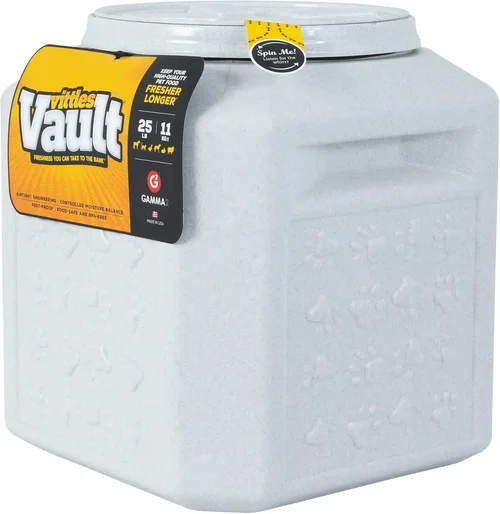
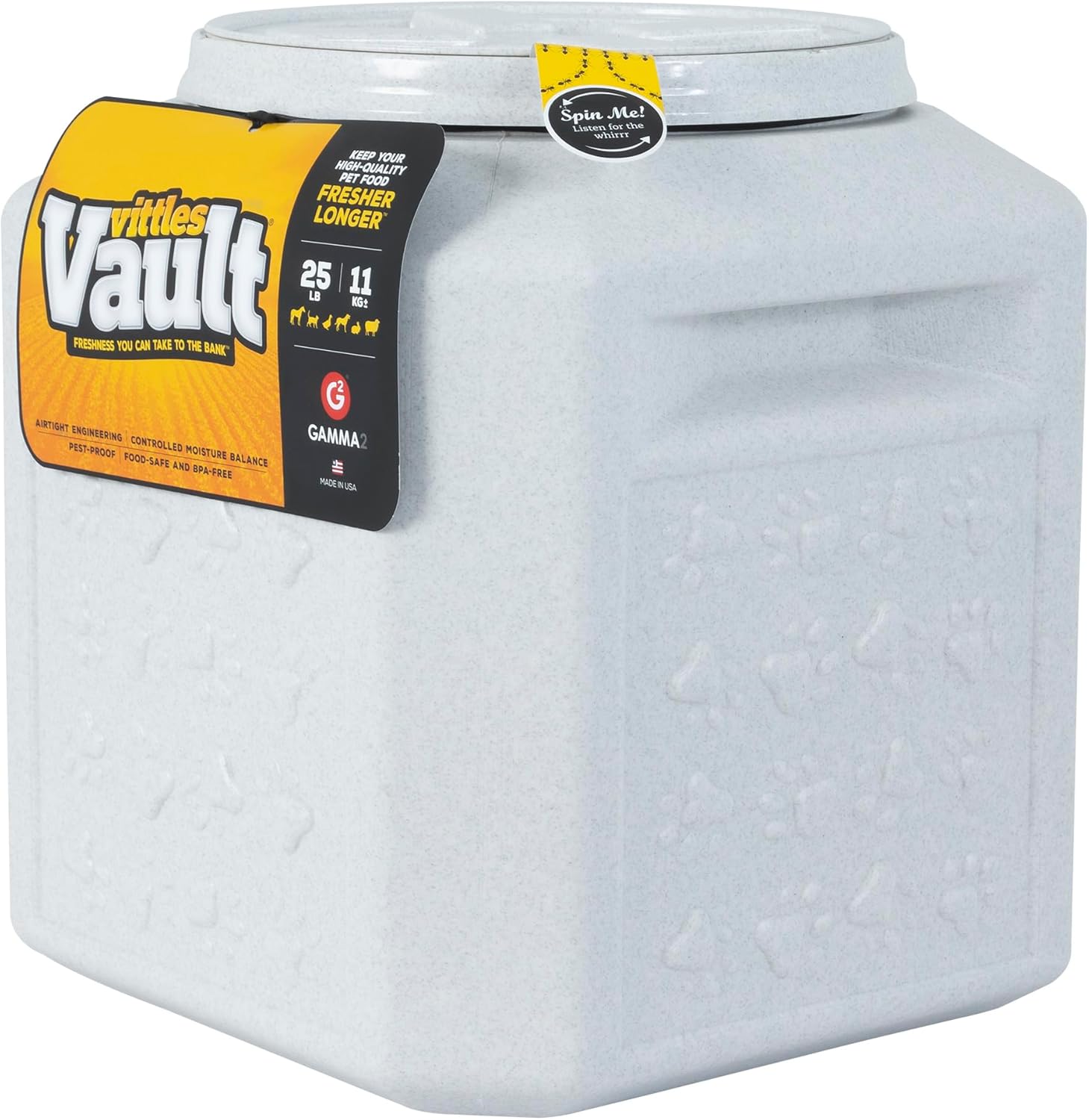
- Mid-Range ($30 – $70): The sweet spot for most dog owners. These containers offer food-grade materials, reliable airtight seals, and better build quality. Many include features like measuring scoops, wheels, or stackable designs. Brands like Gamma2 Vittles Vault and PetSafe Healthy Pet Simply Feed fall into this category. Expect 2–5 years of reliable use with proper care.
- Premium ($70 – $150): Designed for long-term use, large breeds, or multi-pet households. Stainless steel models dominate this tier, offering superior durability, pest resistance, and odor control. Some include advanced features like digital scales or portion control. Perfect for owners who prioritize health and longevity. Consider the Petlibro Granary or Brabantia Bo Touch Bin.
- Luxury ($150+): High-end smart containers with Wi-Fi connectivity, app integration, and automated dispensing. These are best for tech enthusiasts, dogs with medical dietary needs, or owners who travel frequently. Models like the SureFeed Microchip Pet Feeder or PetKit Eversweet Pro offer precision feeding and remote monitoring. While expensive, they provide unmatched convenience and peace of mind.
Expert Tips for Getting the Best Deal
- Buy During Seasonal Sales: Major retailers like Chewy, Amazon, and Petco often run discounts during Black Friday, Prime Day, or back-to-school seasons. Sign up for newsletters to get early alerts.
- Compare Online and In-Store Prices: Online retailers usually offer better deals and wider selections, but check local pet stores for in-person inspections. Some stores price-match online competitors.
- Read Verified Customer Reviews: Look for reviews with photos and detailed experiences. Pay attention to comments about seal integrity, durability, and cleaning difficulty.
- Check for Bundles or Multi-Packs: Some brands sell containers with scoops, labels, or cleaning brushes at a discount. These add-ons save money and improve usability.
- Consider Refurbished or Open-Box Items: Reputable sellers like Amazon Renewed or manufacturer outlets offer certified pre-owned containers at 20–40% off. These are inspected and often include warranties.
- Test Before Committing: If possible, buy from a retailer with a generous return policy. Test the seal, ease of opening, and cleaning process within the return window.
- Invest in Quality, Not Quantity: A single high-quality container lasts longer and performs better than multiple cheap replacements. Think long-term value over upfront savings.
- Look for Eco-Friendly Options: Some brands use recycled materials or offer recycling programs. While not always cheaper, these options reduce environmental impact and often indicate higher manufacturing standards.
Frequently Asked Questions
Q: Can I store wet dog food in these containers?
A: Most dry food containers are not suitable for wet food due to moisture and odor retention. Wet food requires refrigeration and airtight, dishwasher-safe containers with tight seals. Use dedicated pet food storage tubs or glass containers with silicone lids for wet food.
Q: How often should I clean my dog food container?
A: Clean it every 2–4 weeks, or immediately if you switch food types. Rinse after each use if you notice residue. Deep clean with vinegar or pet-safe disinfectant monthly to prevent bacterial buildup.
Q: Will a larger container keep food fresher longer?
A: Not necessarily. Large containers expose more food to air each time they’re opened. It’s better to use a container sized for 7–10 days of food to maintain freshness.
Q: Are metal containers safe for dog food?
A: Yes, stainless steel is safe, non-toxic, and resistant to rust and odors. Avoid aluminum or coated metals that may chip or react with food.
Q: Can I store raw dog food in these containers?
A: Raw food requires freezing or refrigeration. Use freezer-safe, airtight containers made from BPA-free plastic or stainless steel. Never store raw food at room temperature.
Q: Do smart containers really work?
A: Yes, but effectiveness depends on the model. High-end smart feeders with accurate scales and reliable apps work well for portion control and monitoring. Cheaper models may have connectivity issues or inaccurate measurements.
Q: How do I remove odors from my container?
A: Soak in a mixture of warm water and baking soda for 30 minutes, then scrub. For stubborn smells, use white vinegar or a pet-safe enzymatic cleaner. Always rinse thoroughly and air dry.
Q: Can I use a human food storage container for dog food?
A: Only if it’s made from food-grade, BPA-free materials and has an airtight seal. Avoid containers with strong chemical smells or those not designed for long-term food storage.
Q: What’s the best place to store a dog food container?
A: Choose a cool, dry, dark location away from direct sunlight, heat sources, and humidity. Garages and basements are acceptable if temperature-controlled. Avoid kitchens with high steam or grease.
Q: How long does dog food stay fresh in a container?
A: Unopened kibble lasts 6–12 months. Once opened, use within 4–6 weeks for optimal freshness, even in an airtight container. Check the “best by” date and smell the food regularly.
Our Final Recommendations
- Best for Budget-Conscious Buyers: IRIS Airtight Dog Food Container – Reliable seal, BPA-free plastic, and affordable price. Great for small to medium dogs.
- Best Overall Value: Gamma2 Vittles Vault Outback – Military-grade plastic, true airtight seal, and stackable design. Holds up to 50 lbs of food and resists pests.
- Best Premium Option: Petlibro Granary Smart Container – Stainless steel body, digital scale, app control, and portion tracking. Ideal for health-conscious owners.
- Best for Beginners: Simplehuman Pet Food Storage Can – Easy-grip handle, wide mouth, and sleek design. Perfect for first-time users who want simplicity.
- Best for Advanced Users: SureFeed Microchip Pet Feeder – Uses your dog’s microchip to open, tracks individual consumption, and prevents overfeeding in multi-pet homes.
Conclusion: Making the Right Choice
Choosing the best dog food container isn’t just about convenience—it’s about safeguarding your dog’s health, saving money on wasted food, and simplifying your daily routine. By focusing on material safety, airtight performance, appropriate sizing, and ease of maintenance, you can find a solution that fits your lifestyle and budget. Avoid common pitfalls like using original bags or prioritizing looks over function, and always consider long-term value over short-term savings. Whether you opt for a simple plastic bin or a high-tech smart feeder, the right container will keep your dog’s meals fresh, safe, and delicious. Take the time to assess your needs, read reviews, and invest in quality. Your dog deserves nothing less. Ready to upgrade your storage? Start by measuring your current setup, calculating your weekly food needs, and exploring the options outlined in this guide. A small investment today can lead to years of healthier, happier meals for your beloved pet.