
Adding pumpkin to your cat’s food is a simple, natural way to support digestion, reduce hairballs, and improve overall gut health. This guide walks you through safe types, proper portions, and step-by-step mixing tips for happy, healthy cats.
Key Takeaways
- Use only plain, pure pumpkin: Avoid pumpkin pie filling or sweetened varieties, which can harm your cat.
- Start with small amounts: Begin with 1/4 to 1/2 teaspoon per meal to avoid digestive upset.
- Pumpkin aids digestion: High in fiber, it helps with both constipation and diarrhea in cats.
- Introduce gradually: Mix pumpkin into wet or dry food slowly over several days.
- Monitor your cat’s response: Watch for changes in stool, appetite, or behavior after adding pumpkin.
- Choose the right form: Canned pure pumpkin or fresh cooked pumpkin are best; avoid spices and additives.
- Consult your vet first: Especially if your cat has health issues like diabetes or kidney disease.
How to Add Pumpkin to Cat Food
If you’ve noticed your cat struggling with hairballs, irregular bowel movements, or digestive discomfort, you’re not alone. Many cat parents are turning to a simple, natural solution: pumpkin. Yes, that same orange squash you carve at Halloween or bake into pies can be a game-changer for your feline friend’s health—when used correctly.
In this complete guide, you’ll learn exactly how to add pumpkin to cat food safely and effectively. We’ll cover why pumpkin is beneficial, which types are safe, how much to serve, and step-by-step instructions for mixing it into your cat’s meals. Whether your cat eats wet food, dry kibble, or a combination, we’ve got you covered. Plus, we’ll share troubleshooting tips and answer common questions so you can feel confident making this healthy addition to your pet’s diet.
Let’s dive in and help your cat feel their best—one spoonful of pumpkin at a time.
Why Add Pumpkin to Cat Food?
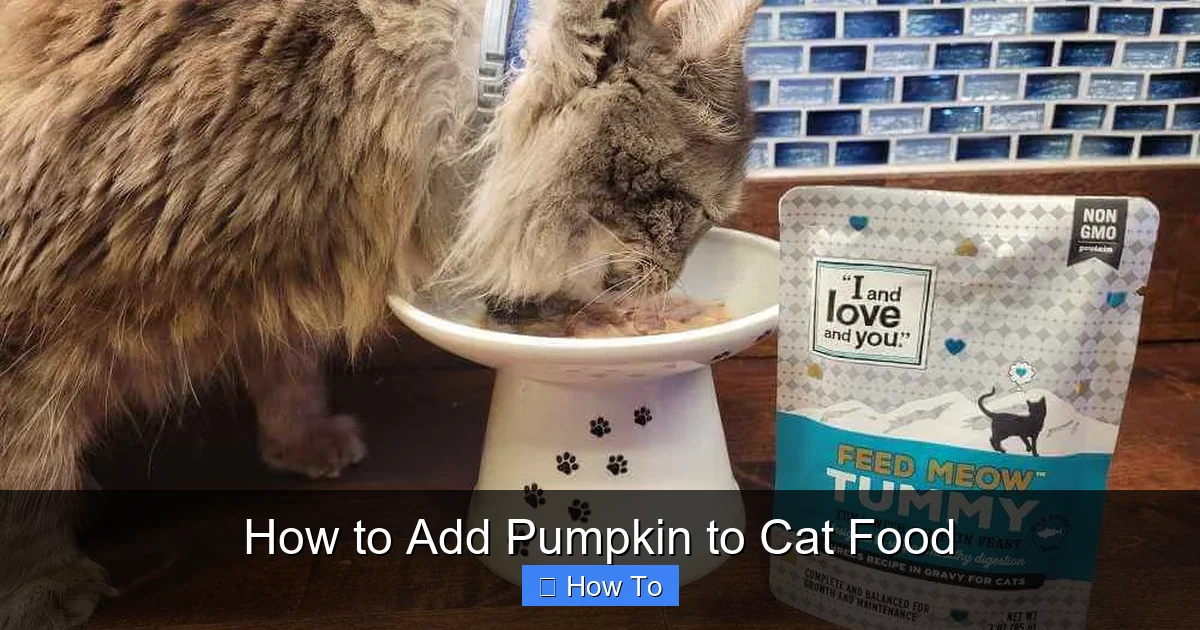
Visual guide about How to Add Pumpkin to Cat Food
Image source: cats.com
Pumpkin isn’t just a fall favorite—it’s a nutritional powerhouse for cats. Rich in fiber, low in calories, and packed with vitamins like A, C, and E, pumpkin offers several health benefits that make it a smart addition to your cat’s diet.
One of the biggest reasons cat owners turn to pumpkin is digestive support. The high soluble fiber content helps regulate bowel movements, making it useful for both constipation and diarrhea. When your cat’s digestive system is out of balance, pumpkin can act as a gentle regulator, adding bulk to stool or softening it, depending on the need.
Another major benefit is hairball control. Cats groom themselves constantly, and all that licking leads to swallowed fur. Over time, this fur can accumulate in the stomach and form hairballs. The fiber in pumpkin helps move hair through the digestive tract more efficiently, reducing the frequency and severity of hairball vomiting.
Pumpkin also supports urinary health. While it doesn’t directly treat urinary tract infections, its high water content can encourage hydration—especially important for cats who don’t drink enough water. Proper hydration helps flush out the urinary system and may reduce the risk of crystals or blockages.
Finally, pumpkin is low in fat and calories, making it a safe treat for overweight cats or those on a weight management plan. It adds volume to meals without adding extra calories, helping your cat feel full and satisfied.
In short, adding pumpkin to cat food is a simple, natural way to support digestion, reduce hairballs, and promote overall wellness—without the need for supplements or medications.
Choosing the Right Type of Pumpkin
Not all pumpkin is created equal—especially when it comes to your cat’s health. The key is to use plain, pure pumpkin with no added sugars, spices, or preservatives. Here’s what to look for:
Canned Pure Pumpkin
This is the most convenient and reliable option. Look for cans labeled “100% pure pumpkin” or “pure pumpkin puree.” Avoid anything labeled “pumpkin pie filling,” as these contain sugar, cinnamon, nutmeg, and other ingredients that are toxic or unhealthy for cats.
Popular brands like Libby’s or Trader Joe’s offer pure pumpkin in BPA-free cans. Store opened cans in the refrigerator for up to a week, or freeze portions in ice cube trays for longer storage.
Fresh Pumpkin
If you prefer fresh ingredients, choose a small sugar pumpkin (also called pie pumpkin) rather than a large carving pumpkin. Carving pumpkins are tougher and less flavorful, and may not digest as well.
To prepare fresh pumpkin:
- Wash the outside thoroughly to remove dirt and bacteria.
- Cut the pumpkin in half and scoop out the seeds and stringy parts.
- Bake the halves cut-side down at 350°F (175°C) for 45–60 minutes, or until soft.
- Let it cool, then scoop out the flesh and mash or blend until smooth.
You can also boil or steam the pumpkin, but baking helps retain more nutrients and flavor.
Avoid These Pumpkin Products
- Pumpkin pie filling: Contains sugar, spices, and sometimes artificial sweeteners like xylitol, which is deadly to cats.
- Pumpkin spice lattes or flavored snacks: These are not food—they’re treats loaded with sugar and caffeine.
- Canned soups or blends: Often include onions, garlic, or broth, all of which are toxic to cats.
When in doubt, read the ingredient list. If it has more than one ingredient—especially sugar or spices—don’t use it.
How Much Pumpkin to Feed Your Cat
Portion control is crucial when adding pumpkin to cat food. Too much fiber too quickly can cause gas, bloating, or diarrhea—even if pumpkin is generally helpful.
The general rule is:
- Kittens (under 6 months): 1/4 teaspoon per meal, max 1/2 teaspoon per day.
- Adult cats: 1/2 to 1 teaspoon per meal, up to 2 teaspoons per day.
- Senior or sensitive cats: Start with 1/4 teaspoon and increase slowly.
These amounts are based on a typical 8–10 pound cat. Larger cats may tolerate slightly more, while smaller or health-compromised cats should stick to the lower end.
Always split the daily amount between meals. For example, if you’re feeding two meals a day, give 1/2 teaspoon per meal instead of 1 teaspoon all at once.
How Often to Feed Pumpkin
Pumpkin can be given daily if your cat tolerates it well. However, it’s not necessary to feed it every day unless your cat has ongoing digestive issues.
For occasional use (e.g., hairball prevention or mild constipation), 2–3 times per week is sufficient. If your cat has chronic digestive problems, consult your vet before making pumpkin a daily staple.
Signs You’re Giving Too Much
Watch for these signs that your cat is getting too much pumpkin:
- Loose stools or diarrhea
- Excessive gas or bloating
- Loss of appetite
- Vomiting
If any of these occur, reduce the amount or stop feeding pumpkin for a few days. Reintroduce it slowly at a smaller dose.
Step-by-Step Guide to Adding Pumpkin to Cat Food
Now that you know why pumpkin is beneficial and how much to use, let’s walk through the process of adding it to your cat’s meals. Whether you feed wet food, dry kibble, or a mix, these steps will help you integrate pumpkin smoothly and safely.
Step 1: Choose the Right Pumpkin
As discussed earlier, select plain, pure pumpkin—either canned or fresh. Make sure it’s free of additives, sugars, and spices. Store it properly: refrigerate opened cans or freeze fresh puree in small portions.
Step 2: Start Small
Begin with the smallest recommended dose—1/4 teaspoon for adult cats. This allows your cat’s digestive system to adjust without shock.
Step 3: Mix It In
The method depends on your cat’s diet:
For Wet Food:
- Scoop the usual amount of wet food into your cat’s bowl.
- Add the pumpkin directly on top or mix it in thoroughly.
- Stir well to distribute the pumpkin evenly.
- Serve immediately.
The moisture in wet food helps blend the pumpkin and makes it more palatable.
For Dry Food:
- Place the kibble in the bowl as usual.
- Add the pumpkin on top.
- Pour a small amount of warm water or low-sodium broth (make sure it’s onion- and garlic-free) over the mix to soften the kibble and help the pumpkin stick.
- Let it sit for 5–10 minutes before serving.
This method prevents the pumpkin from falling to the bottom of the bowl and ensures your cat eats it.
For Homemade or Raw Diets:
- Mix the pumpkin into the prepared meal before serving.
- Ensure the total fiber content remains balanced—too much can disrupt nutrient absorption.
Step 4: Observe Your Cat’s Reaction
After the first few meals, watch for:
- Changes in stool consistency (softer, firmer, or more regular)
- Appetite (does your cat eat the food eagerly?)
- Behavior (is your cat acting normally?)
- Signs of digestive upset (vomiting, gas, lethargy)
If your cat enjoys the food and shows positive changes, you can gradually increase the amount—up to 1 teaspoon per meal for adult cats.
Step 5: Adjust as Needed
Every cat is different. Some take to pumpkin immediately, while others may be hesitant. If your cat turns up their nose:
- Try mixing pumpkin with a favorite treat or topper (like tuna juice or bone broth).
- Warm the food slightly to enhance aroma.
- Offer it on a spoon or your finger to encourage tasting.
If your cat refuses to eat it after several attempts, don’t force it. Not all cats like pumpkin, and that’s okay. There are other fiber sources, like psyllium husk or vet-recommended supplements.
Practical Tips for Success
Adding pumpkin to cat food is simple, but a few smart tips can make the process even smoother.
Store Pumpkin Properly
Opened canned pumpkin should be stored in an airtight container in the refrigerator for up to 7 days. For longer storage, freeze it in ice cube trays. Each cube is about 1–2 teaspoons—perfect for portioning.
Label the container with the date to avoid using spoiled pumpkin. If the pumpkin develops an off smell, mold, or discoloration, throw it out.
Use a Dedicated Spoon
To avoid cross-contamination, use a clean spoon each time you scoop pumpkin. Don’t dip a used spoon back into the can, as saliva can introduce bacteria.
Combine with Hydration
Since pumpkin is high in fiber, it works best when your cat is well-hydrated. Encourage water intake by:
- Using a cat water fountain
- Adding water to wet food
- Offering broth (make sure it’s cat-safe)
Dehydration can worsen constipation, even with pumpkin.
Track Changes in a Journal
Keep a simple log of:
- Date and time of feeding
- Amount of pumpkin given
- Stool consistency (use a scale like the Bristol Stool Chart for pets)
- Behavior and appetite
This helps you identify patterns and share useful info with your vet if needed.
Rotate with Other Fiber Sources
While pumpkin is great, variety is key. Occasionally rotate with other safe fiber sources like:
- Steamed and mashed sweet potato (plain, no spices)
- Cooked green beans (chopped fine)
- Vet-approved fiber supplements
This prevents your cat from becoming dependent on one ingredient and supports a balanced gut microbiome.
Troubleshooting Common Issues
Even with the best intentions, things don’t always go smoothly. Here’s how to handle common problems when adding pumpkin to cat food.
My Cat Won’t Eat the Food with Pumpkin
Some cats are picky eaters. Try these fixes:
- Mix pumpkin with a strong-smelling food like tuna, sardines, or chicken baby food (make sure it’s onion- and garlic-free).
- Start with a tiny amount—just a dab—so the flavor isn’t overwhelming.
- Warm the food slightly to release aromas.
- Offer it by hand to build trust.
If your cat still refuses, don’t stress. Not every remedy works for every cat.
My Cat Has Diarrhea After Eating Pumpkin
This usually means you’ve given too much too fast. Fiber draws water into the intestines, which can lead to loose stools if overdone.
- Stop feeding pumpkin for 2–3 days.
- Offer plenty of water.
- Reintroduce at half the previous dose.
- Increase slowly over a week.
If diarrhea persists or your cat seems lethargic, contact your vet.
My Cat Is Still Constipated
Pumpkin helps many cats, but it’s not a cure-all. If your cat hasn’t had a bowel movement in 2–3 days, or is straining in the litter box:
- Ensure your cat is drinking enough water.
- Try increasing the pumpkin dose slightly (within safe limits).
- Consider adding a vet-approved laxative or probiotic.
- Schedule a vet visit—chronic constipation can signal underlying issues like megacolon or dehydration.
My Cat Vomits After Eating Pumpkin
Occasional vomiting may just mean your cat ate too fast. But if it happens repeatedly:
- Check for other ingredients in the food that might be causing irritation.
- Reduce the pumpkin amount.
- Rule out allergies or sensitivities.
- Consult your vet to rule out hairballs, IBD, or other conditions.
Can I Use Pumpkin for Weight Loss?
Yes—but with caution. Pumpkin adds bulk without calories, which can help overweight cats feel full. However, it shouldn’t replace balanced nutrition.
- Use pumpkin as a topper, not a meal replacement.
- Work with your vet to create a weight-loss plan.
- Monitor body condition and adjust portions accordingly.
Never drastically reduce food without professional guidance.
When to Consult Your Veterinarian
While pumpkin is generally safe, it’s not a substitute for medical care. Always consult your vet before adding pumpkin to your cat’s diet if:
- Your cat has diabetes (pumpkin contains natural sugars)
- Your cat has kidney disease (fiber can affect mineral balance)
- Your cat is on medication (fiber may interfere with absorption)
- Your cat has a history of pancreatitis or gastrointestinal issues
- You’re unsure about the cause of digestive problems
Your vet can help determine if pumpkin is appropriate and recommend the right dosage based on your cat’s health, age, and weight.
Conclusion
Adding pumpkin to cat food is a simple, natural, and effective way to support your feline friend’s digestive health. Whether you’re tackling hairballs, constipation, or just looking to boost fiber intake, pumpkin offers a safe and nutritious solution when used correctly.
Remember to choose plain, pure pumpkin—never pie filling or spiced varieties. Start with small amounts, mix it thoroughly into wet or dry food, and monitor your cat’s response. Adjust the dose as needed, and always prioritize hydration and balanced nutrition.
While pumpkin isn’t a miracle cure, it’s a valuable tool in your pet care toolkit. Combined with regular vet checkups, a quality diet, and plenty of love, it can help your cat live a happier, healthier life.
So go ahead—scoop that pumpkin, mix it in, and watch your cat thrive. Your furry friend will thank you with purrs, playful pounces, and, yes, fewer hairballs.